
What is PRP Therapy?
Platelet-Rich Plasma (PRP) therapy is an advanced, non-surgical treatment that uses your body’s own healing mechanisms to repair injured tissue and reduce pain.
PRP treatment procedure
Here’s what a typical PRP treatment looks like at TOMI Regenerative Medicine:
Blood draw
A small sample of your blood is drawn in a clinical setting
Platelet concentration
The blood is placed into a centrifuge to separate and concentrate platelets
Target identification
The injured area is precisely identified using clinical evaluation (and imaging when needed)
PRP injection
The PRP is carefully injected into the targeted tissue
Healing response
The body begins its natural healing and regeneration process immediately
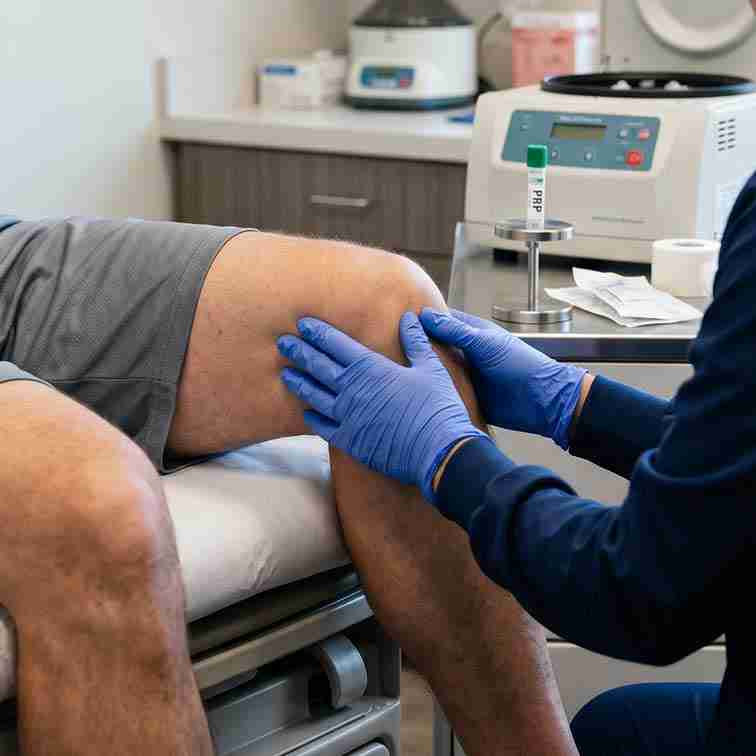
How PRP Works
Natural healing at the source
PRP targets the root cause of pain, not just the symptoms.
Once injected, the concentrated platelets release powerful growth factors that:
- Stimulate cellular repair and regeneration
- Increase collagen production
- Improve blood flow to damaged tissue
- Reduce inflammation in joints and soft tissue
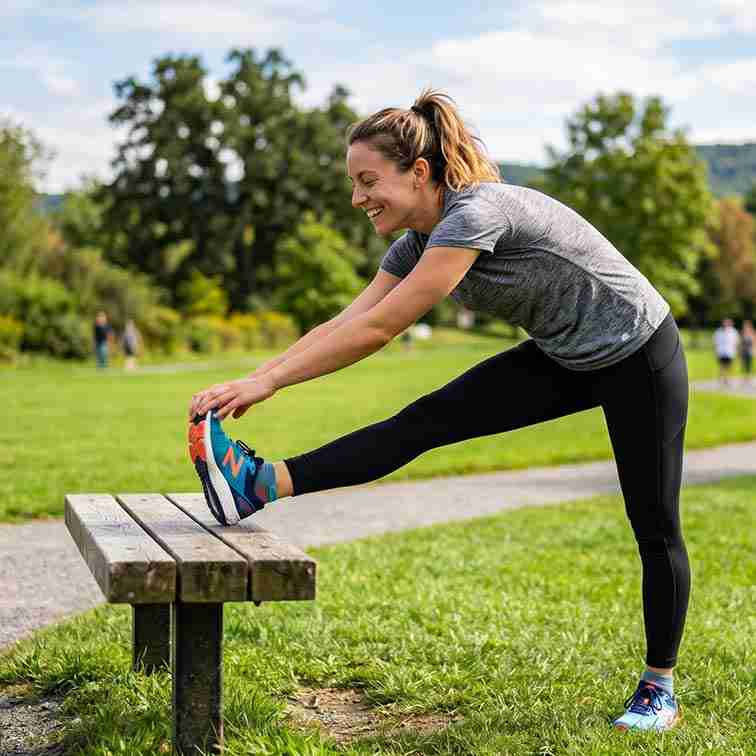
What PRP Treats & How It Helps
Non-surgical healing for joints, tendons, and inflammation
PRP therapy is used to treat shoulder, knee, elbow, ankle, and Achilles injuries, as well as tendon and ligament damage, osteoarthritis, and chronic inflammation from overuse.
It is a non-surgical, minimally invasive treatment that uses your body’s natural healing response to reduce pain, improve function, and support tissue repair with minimal downtime and clinically supported outcomes.
Most treatments take under an hour. Patients typically return to light activity shortly after, with gradual improvement as the tissue heals over the following weeks.
A smarter approach to healing
At TOMI Regenerative Medicine, PRP is performed using precise, evidence-based protocols designed to optimize healing outcomes and restore long-term function.